

Проектирование ЦОД для ИИ превратилось из инженерной задачи по обустройству объекта в дисциплину, определяющую вычислительную производительность. По данным анализа, опубликованного в августе 2025 года, мировой рынок ЦОД для ИИ вырастет с 236.4 млрд долл. США в 2025 году до 933.7 млрд долл. США к 2030 году — совокупный среднегодовой темп роста (CAGR) 31.6%. Плотность стоек, достигавшая 2-10 кВт в традиционных объектах, теперь превышает 100 кВт в развёртываниях класса NVIDIA GB300, а референсные проекты 2025 года ориентируются на стойки мощностью 600 кВт.
Почему проектирование ЦОД для ИИ отличается от традиционного планирования объектов?
Традиционные объекты проектировались под предсказуемые ИТ-нагрузки невысокой плотности. Серверы потребляли 2-10 кВт на стойку, воздушного охлаждения было достаточно, а цепи электропитания рассчитывались с большим запасом. ИИ-нагрузки разрушают эти допущения. GPU-кластеры потребляют энергию резкими, зависящими от рабочей нагрузки импульсами, а не равномерно, и выделяют такую плотность тепла, которую воздухообрабатывающие установки отвести не способны.
По словам Владимира Галабова, старшего директора по исследованиям Omdia, гиперскейл-развёртывания переживают резкий рост плотности, который выводит инфраструктуру объектов далеко за пределы исторических норм. Одна ИИ-стойка мощностью 600 кВт может потребить за пару часов больше электроэнергии, чем среднестатистический дом за месяц. Поэтому при проектировании ЦОД для ИИ мощность, охлаждение, сеть и планировку теперь рассчитывают «назад» от нагрузки GPU, а не «вперёд» от общих строительных стандартов.
На какую плотность мощности должно ориентироваться проектирование ЦОД для ИИ?
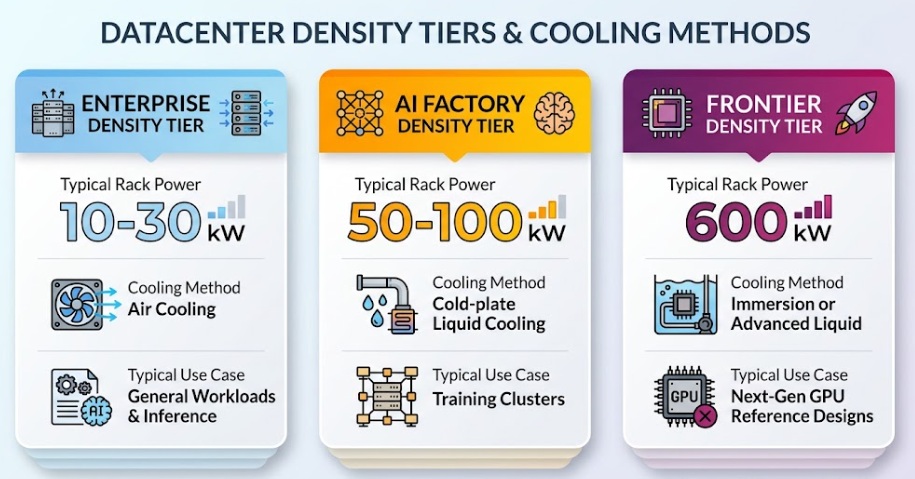
Целевая плотность определяет все последующие решения, поэтому её нужно задавать исходя из реальной дорожной карты GPU, а не из маркетинга вендоров. Практика проектирования ЦОД для ИИ сходится к трём уровням плотности. Традиционные корпоративные стойки остаются в диапазоне 10-30 кВт, и, как отмечает исследование Global Data Center Survey 2025 от Uptime Institute, большинство объектов по-прежнему не превышают 30 кВт на стойку. Специализированные ИИ-фабрики стандартизируются на стойках 50-100 кВт с жидкостным охлаждением с прямым контактом с чипом (direct-to-chip).
Референсные архитектуры NVIDIA 2025 года идут дальше: они описывают стоечные корпуса, поддерживающие более 500 GPU и потребляющие по 600 кВт каждый — примерно в пять раз больше мощности самых плотных стоек, используемых сегодня.
Ранний выбор уровня плотности важен, потому что от этой цифры каскадно зависят несущие нагрузки, сечение шинопроводов, мощность охлаждения и планировка этажа. Проектировщики, которые закладывают 30 кВт, а в середине проекта обнаруживают требование 100 кВт, получают модернизацию, обходящуюся гораздо дороже, чем правильно построенный с первого раза объект. В зрелом проекте ЦОД для ИИ у каждой позиции стойки есть заявленный потолок мощности, который обеспечивается интеллектуальными PDU и ПО управления ёмкостью.
Какая архитектура охлаждения подходит ЦОД для ИИ?
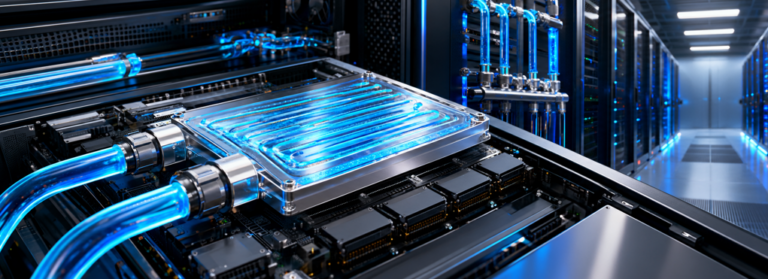
Охлаждение — первая подсистема, где традиционные допущения перестают работать, и именно здесь проектирование ЦОД для ИИ сильнее всего расходится с унаследованной практикой. Воздушное охлаждение выдерживает лишь умеренный рост, но исследование Uptime Institute показывает, что средний PUE за шесть лет подряд почти не улучшился — отчасти из-за ограничений унаследованной инфраструктуры. Высокоплотным ИИ-стойкам требуется жидкостное охлаждение. Охлаждение с помощью холодных плит (cold plate) занимает около 80% рынка жидкостного охлаждения, поскольку совместимо с существующими серверными архитектурами и обеспечивает самую низкую совокупную стоимость владения.
Иммерсионное охлаждение снижает PUE примерно до 1.05, и, по прогнозам, к 2030 году этот сегмент достигнет 5.8 млрд долл. США при совокупном среднегодовом темпе роста 39%. Регуляторное давление ускоряет переход: Китай требует, чтобы новые мега-ЦОД, построенные после 2025 года, достигали PUE не выше 1.25, что делает жидкостное охлаждение фактически обязательным. Охлаждение с прямым контактом с чипом (direct-to-chip) теперь является стандартом для высокоплотных ИИ-развёртываний и часто сочетается с воздушным охлаждением оборудования, не связанного с GPU. Любой проект ЦОД для ИИ, полагающийся только на воздушное охлаждение залов с GPU, упрётся в тепловой потолок, измеряемый мегаваттами.
Какая архитектура электропитания надёжно поддерживает ИИ-нагрузки?
Электропитание — самая незаметная, но самая дорогостоящая подсистема в проекте ЦОД для ИИ. Потребление GPU не является равномерной нагрузкой: оно быстро колеблется по мере начала и завершения шагов обучения. Цепь питания должна поглощать эти колебания, не вызывая срабатывания защит и не ухудшая стабильность сети. Традиционные системы UPS достигают КПД 90-94%, тогда как архитектуры постоянного тока высокого напряжения 800V достигают 97% и выше и сокращают капитальные затраты примерно на 20%. Остальную часть истории показывает платформа NVIDIA GB300: полки питания с накопителями энергии снизили пиковый спрос на электроэнергию на 30% во время обучения LLM Megatron.
Для собственного объекта это означает выбор полок питания со встроенной буферной батареей вместо завышенных по мощности трансформаторов. Резервные батарейные блоки и суперконденсаторные модули становятся стандартом на уровне стойки: время отклика — менее одной миллисекунды для компенсации импульсной мощности, которую требует обучение GPU. Электрощитовая также должна рассчитываться под реально эксплуатируемый уровень резервирования, а не под значок Tier III, заявленный на бумаге. Устойчивый проект ЦОД для ИИ рассматривает электропитание как задачу управления, а не как задачу расчёта размеров.
Какой топологии сети требуют GPU-кластеры?
Проекты ЦОД для ИИ терпят неудачу на сетевом уровне чаще, чем на уровне питания, потому что распределённое обучение предъявляет жёсткие требования к пропускной способности и задержкам. Традиционные сети leaf-and-spine, настроенные на веб-трафик север-юг, не выдерживают паттернов трафика восток-запад, характерных для коллективных коммуникаций. В ходе обучения между GPU перемещаются градиенты, активации и состояния оптимизатора, а насыщение сети напрямую увеличивает время обучения (time-to-train). Современные GPU-кластеры разделяют сети масштабирования scale-up и scale-out: scale-up соединяет GPU внутри узла через высокоскоростные фабрики, такие как NVLink, а scale-out соединяет узлы через InfiniBand или Ethernet-фабрики 400G/800G.
По оценкам McKinsey, к 2030 году для удовлетворения спроса на вычисления центрам обработки данных потребуется 6.7 трлн долл. США совокупных капитальных затрат, и значительная доля этого бюджета приходится на коммутационную инфраструктуру. Правило простое: моделируйте паттерны коммуникаций до покупки коммутаторов и никогда не позволяйте переподписке сети (oversubscription) стать скрытым узким местом. Поэтому проектирование ЦОД для ИИ должно относиться к сетевой архитектуре как к полноправному элементу, явно задавая коэффициенты переподписки на каждом уровне.
Почему проектирование ЦОД для ИИ отдаёт приоритет «серому» пространству, а не «белому»?
В унаследованных планировках ЦОД большая часть площади отводилась «белому» пространству — залам с ИТ-оборудованием, а охлаждающее и электрическое оборудование втискивалось в то, что оставалось. Проектирование ЦОД для ИИ переворачивает это соотношение. Плотные GPU-стойки требуют большего преобразования электроэнергии, большего отвода тепла и большего распределения жидкости на квадратный метр, поэтому «серое» пространство под системы охлаждения и электроснабжения в специализированных ИИ-фабриках теперь сопоставимо с «белым» или даже превышает его.
Практические следствия: более высокие технические этажи под жидкостные контуры, усиленные перекрытия под стойки 600 кВт и модульные блоки электропитания (power skids), разворачиваемые поэтапно. Если «серое» пространство недозаложить на стадии проектирования, объект упрётся в жёсткий потолок независимо от того, сколько GPU-стоек физически вмещает «белое» пространство. Частая ошибка при проектировании ЦОД для ИИ — копирование унаследованных планов этажей с заменой одних лишь охлаждающих установок: в результате не остаётся места под трубопроводы, насосы и отвод тепла, которые требует жидкостное охлаждение.
Какие шаги следует выполнять при проектировании ЦОД для ИИ?
Дисциплинированная последовательность действий предотвращает самые дорогостоящие ошибки. Во-первых, определите целевую нагрузку: обучение, инференс или и то и другое, поскольку обучение требовательно к сети и хранилищам, а инференс чувствителен к задержкам. Во-вторых, зафиксируйте дорожную карту GPU и рассчитайте для каждого зала уровень плотности стоек, энергетический бюджет и способ охлаждения. В-третьих, рассчитайте электрическую цепь исходя из пиковой нагрузки с буферизацией и укажите полки питания с накопителями энергии. В-четвёртых, спроектируйте сетевую фабрику на основе измеренных паттернов коммуникаций, разделив scale-up и scale-out. Каждое из этих решений должно приниматься на раннем этапе проектирования ЦОД для ИИ, до заливки бетона.
В-пятых, выделите «серое» пространство под распределение жидкости, отвод тепла и электрощитовые до финализации планировки «белого» пространства. В-шестых, проведите валидацию по ASHRAE 90.4 — стандарту, который задаёт минимальные требования к эффективности систем охлаждения и электропитания и в своих дополнениях 2022 года теперь учитывает ИТ-оборудование с водяным охлаждением. В-седьмых, планируйте поэтапное развёртывание, чтобы ранние залы работали, пока строятся последующие, — такой подход становится всё более распространённым в проектировании ЦОД для ИИ. Следование этой последовательности удерживает весь проект в соответствии с дорожной картой вычислений и позволяет избежать ловушки модернизации.
Какие метрики подтверждают проект ЦОД для ИИ?
Качество проекта проявляется в измеримых показателях, и каждый проект ЦОД для ИИ должен быть сверен с ними до начала строительства. PUE остаётся главной метрикой эффективности, но исследование Uptime Institute показало, что каждый десятый сбой по-прежнему приводит к серьёзным нарушениям работы, поэтому инженерии доступности стоит уделять не меньше внимания. Целевые значения PUE ниже 1.25 достижимы при жидкостном охлаждении, но требуют, чтобы компонент механической нагрузки и компонент потерь электроэнергии ASHRAE 90.4 оставались в пределах, установленных для климатической зоны.
Утилизация стоек, измеряемая как достигнутая вычислительная пропускная способность на доллар капитальных затрат объекта, показывает, действительно ли проект служит ИИ-нагрузкам. Время до подачи питания (time-to-power) — задержка между установкой стойки и полноценной работой GPU — выявляет узкие места в шинопроводах, охлаждении и сетевой доставке.
Заключение: как проектирование ЦОД для ИИ должно развиваться дальше?
Проектирование ЦОД для ИИ — больше не маргинальная оптимизация существующего шаблона, а структурный разрыв с тридцатилетней практикой строительства объектов. Целевые показатели плотности, архитектура охлаждения, электропитание, топология сети и распределение пространства — всё должно выводиться из нагрузки GPU, а цена ошибки измеряется миллионами долларов простаивающих вычислительных мощностей. Успешные объекты фиксируют уровень плотности на раннем этапе, стандартизируют жидкостное охлаждение, буферизируют цепь питания и валидируются по данным ASHRAE и Uptime. Начинайте проектирование ЦОД для ИИ с нагрузки, а не со здания — и остальное встанет на свои места.