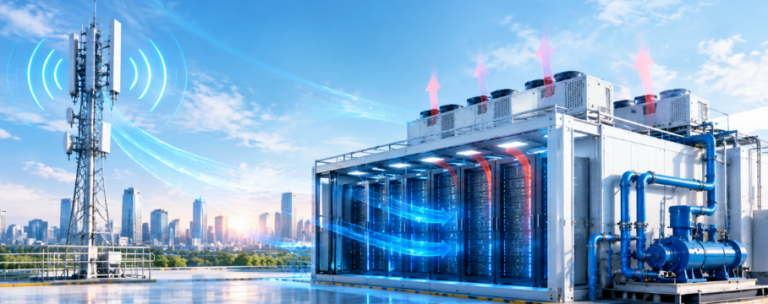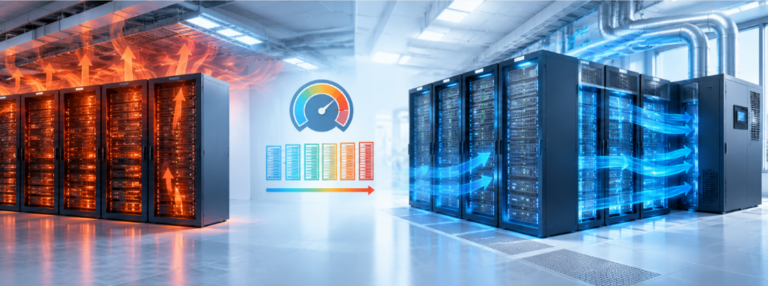


Quando os data centers tradicionais fazem você enfrentar custos elevados, longos prazos de implantação e limites rígidos de expansão, é hora de considerar uma alternativa mais inteligente. Arquitetura de data center modular está reformulando a forma como as empresas constroem e escalam sua espinha dorsal de TI. Em vez de despejar concreto e esperar meses pela construção, você monta blocos pré-projetados que se encaixam como peças – mais rápido, mais barato e muito mais flexível.
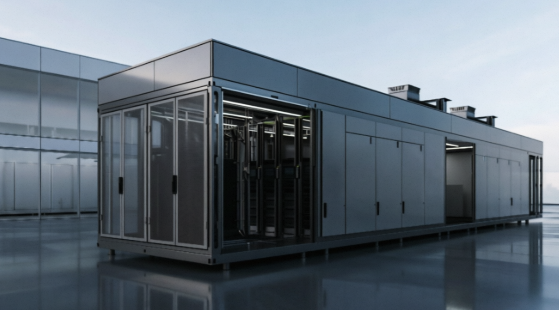
Neste guia, você descobrirá exatamente o que significa a arquitetura de data center modular, seus blocos fundamentais e como aproveitá-la para atender a demandas imprevisíveis de capacidade sem superdimensionar.
O Que É a Arquitetura de Data Center Modular?
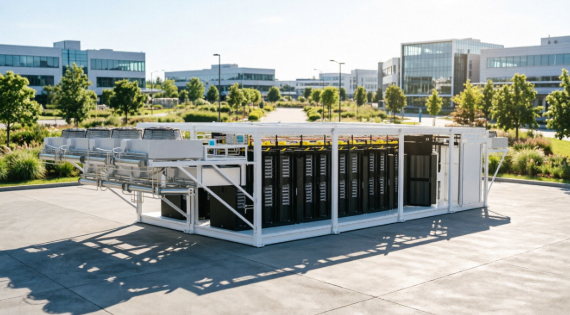
A arquitetura de data center modular refere-se a uma abordagem pré-fabricada e autossuficiente para projetar e implantar salas de dados. Em vez de uma única instalação monolítica, você trabalha com módulos padronizados – cada um abrigando energia, refrigeração, racks de TI e rede – que podem ser combinados, pareados e escalados de forma independente.
Pense nisso como um “data center em uma caixa” que cresce de acordo com suas necessidades. A arquitetura segue três princípios fundamentais:
- Padronização – Cada módulo utiliza interfaces e dimensões idênticas.
- Isolamento – Os módulos operam como zonas de falha independentes.
- Orquestração – Um software central gerencia todos os módulos como um único pool lógico de recursos.
Essa abordagem transforma a infraestrutura em um verdadeiro serviço utilitário: você adiciona capacidade somente quando precisa e onde precisa.
Componentes Principais de um Data Center Modular
Para entender a arquitetura de data center modular, você deve reconhecer seus cinco subsistemas essenciais. Cada componente é pré-testado na fábrica, de modo que a integração no local se torna um exercício de plug-and-play.
Módulo de TI – O Núcleo de Computação e Armazenamento
É aqui que vivem seus servidores, arrays de armazenamento e switches de rede. Os módulos de TI vêm em formatos de rack padrão (por exemplo, 24U, 42U, 48U) com gerenciamento de cabos integrado. Você pode combinar módulos de computação de alta densidade com módulos de armazenamento a frio para atender aos perfis de carga de trabalho.
Módulo de Distribuição de Energia (PDM)
O PDM abriga transformadores, painéis de manobra e unidades de UPS. Os principais recursos incluem:
- Redundância N+1 ou 2N integrada ao módulo
- Sistemas de busway que conectam os módulos de TI sem cabeamento fixo
- Monitoramento de carga em tempo real por alimentação de energia
Módulo de Refrigeração – Gerenciamento Térmico Reinventado
A refrigeração modular pode ser implementada com trocadores de calor in-row, in-rack ou na porta traseira. Implementações comuns:
- Módulos de água gelada – Bombas e válvulas em um invólucro separado
- Módulos de expansão direta (DX) – Unidades CRAC autossuficientes
- Módulos refrigerados a líquido – Para clusters de HPC e GPU
Como o módulo de refrigeração é desacoplado, você pode migrar da refrigeração a ar para a refrigeração a líquido sem tocar nos seus racks de TI.
Módulo de Gerenciamento e Rede
Este é o cérebro da arquitetura. Ele agrega:
- Sensores de DCIM (Data Center Infrastructure Management)
- Controladores de rede definida por software (SDN)
- Pontos de acesso de segurança
Você monitora toda a frota modular a partir de um único painel unificado – não importa se os módulos estão em um único armazém ou espalhados por três continentes.
Módulo de Invólucro Físico e Contenção
O invólucro externo oferece supressão de incêndio, vedação ambiental e integridade estrutural. As opções incluem contêineres de transporte ISO, invólucros montados em skid ou blocos de concreto pré-fabricados. O módulo de invólucro também integra diretamente a contenção de corredor quente/corredor frio.
Como a Arquitetura Modular Aumenta a Escalabilidade e a Eficiência
Por que hyperscalers e empresas estão migrando para projetos modulares? Três ganhos mensuráveis se destacam.
Expansão de Capacidade Pague Conforme Cresce
Em vez de construir uma instalação de 5 MW para uma necessidade projetada de 3 MW, você começa com 500 kW e adiciona módulos de 250 kW a cada trimestre. Isso é capacidade sob demanda. Seu investimento de capital acompanha a receita, e não suposições.
Implantação até 50% Mais Rápida
Um data center tradicional leva de 18 a 24 meses do projeto à operação. Com a arquitetura modular, você reduz isso para 6 a 12 semanas. Enquanto o seu local está sendo preparado, os módulos são construídos e testados em paralelo na fábrica. No dia da entrega, basta posicioná-los, conectar os serviços públicos e iniciar as cargas de trabalho.
PUE Superior (Power Usage Effectiveness)
Layouts de refrigeração otimizados em fábrica e caminhos de ar curtos reduzem a mistura de ar quente e frio. Muitas implantações modulares alcançam PUE abaixo de 1.2 – mesmo em ambientes não ideais, como galpões industriais ou locais desérticos. Você economiza energia desde o primeiro dia.
Considerações de Projeto para o Seu Data Center Modular
Antes de encomendar seu primeiro módulo, avalie estes cinco fatores para garantir o sucesso.
Dimensionamento para Carga de Pico vs. Carga Média
A arquitetura modular permite lidar com picos implantando temporariamente módulos portáteis. No entanto, você ainda deve modelar sua curva de crescimento de 3 anos. Superdimensionar o módulo de distribuição de energia inicial é um erro comum – você sempre pode adicionar PDMs secundários depois.
Preparação do Local e Serviços de Infraestrutura
Embora os módulos sejam autossuficientes, eles precisam de:
- Lajes de concreto planas e resistentes a carga ou trilhos de fundação
- Acesso para caminhões prancha de 40 pés e guindastes
- Conexões de serviços (energia de média tensão, fibra, drenos de água)
Nível de Redundância por Camada de Carga de Trabalho
Use o conceito de “módulo de módulos”. Para disponibilidade Tier III ou IV, você implanta módulos de energia 2N, mas apenas módulos de TI N+1. Essa estratégia híbrida reduz custos enquanto mantém o tempo de atividade.
Conectividade à Prova de Futuro
Instale bandejas de cabeamento horizontal que passam entre as fileiras de módulos. Mesmo se você trocar de fornecedor, a fibra MPO/MTP padronizada e os busways de cobre mantêm sua arquitetura independente de fornecedor.
Melhores Práticas de Implantação – Do Chão de Fábrica à Produção
Siga estas etapas para ir do desenho ao tráfego ao vivo sem atritos.
O Teste de Aceitação em Fábrica (FAT) É Inegociável
Antes de qualquer módulo sair da linha de produção, execute testes completos de energia, térmicos e de rede. Insista em testemunhar o FAT. Isso detecta 90% dos problemas antes que eles cheguem ao seu local.
Integração no Local em Fases
Entregue e comissione os módulos em fases: primeiro os módulos de energia e refrigeração, depois o de gerenciamento e, em seguida, metade dos seus módulos de TI. Valide cada fase antes de passar para a próxima. Isso reduz o risco e permite treinar sua equipe de forma incremental.
Mãos Remotas – Software em vez de Proximidade
Como os módulos são altamente instrumentados, você não precisa de tanto pessoal no local. Implemente um centro de monitoramento remoto que atenda 80% dos alarmes. Para substituições de hardware, use um serviço itinerante de “mãos inteligentes” em vez de uma equipe local completa 24/7.
A Arquitetura de Data Center Modular É Adequada para o Seu Negócio?
Faça a si mesmo três perguntas:
- A sua carga de trabalho flutua sazonalmente? (por exemplo, varejo, processamento de impostos, jogos)
- Você opera em ambientes remotos ou adversos? (minas, plataformas de petróleo, locais de recuperação de desastres)
- Você é limitado por licenças de construção ou pela disponibilidade de energia?
Se você respondeu “sim” a qualquer uma das perguntas acima, a arquitetura modular provavelmente é o seu melhor caminho.
Provedores líderes de infraestrutura, como a SOETECK, aprimoraram projetos modulares para atender aos SLAs corporativos enquanto reduzem o custo total de propriedade. A chave é escolher um fornecedor cujos módulos sigam padrões abertos (por exemplo, Open19, ODCC) – evitando o aprisionamento a tecnologia proprietária.
Conclusão: Construa de Forma Mais Inteligente, Não Maior
Você não precisa mais prever a capacidade com anos de antecedência. A arquitetura de data center modular dá a você a capacidade de implantar, expandir e reconfigurar a infraestrutura de TI na velocidade dos negócios. Ao dividir um data center em componentes padronizados – TI, energia, refrigeração, gerenciamento e invólucro – você ganha eficiência, resiliência e controle financeiro.
Comece pequeno, pense em módulos e veja sua infraestrutura evoluir com a mesma elegância que o seu negócio.