



Вы годами охлаждали свой центр обработки данных воздухом. Это работало, когда ваши стойки потребляли по 5–8 киловатт каждая. Теперь ваши кластеры GPU требуют 40 кВт на стойку, а ваши CRAC-агрегаты работают на пределе. Вы не одиноки: Институт Uptime сообщает, что 68% корпоративных центров обработки данных, построенных до 2015 года, не имеют достаточной мощности охлаждения для современных ИИ-нагрузок. При этом 82% таких объектов всё ещё имеют более десяти лет по своим арендным договорам. Вам нужна модернизация с жидкостным охлаждением серверов, которая работает — и нужна она вам уже сейчас.
Почему воздушное охлаждение вас подводит
Физика неумолима. Традиционное воздушное охлаждение имеет тепловое сопротивление от 0,5 до 2,0 градусов Цельсия на ватт — этого достаточно, когда стойки потребляли 8–25 кВт. Сегодня стойка NVIDIA GB200 NVL72 имеет тепловую расчётную мощность 130–140 кВт, согласно исследованию TrendForce от августа 2025 года. Воздух просто не способен отводить такое количество тепла.
Ваш объект, скорее всего, работает при PUE от 1,4 до 1,6, то есть почти половина вашего счёта за электроэнергию уходит на охлаждение. Поднимите воздушно-охлаждаемые стойки выше 25 кВт — и вы упрётесь в жёсткий предел: турбулентность, горячие зоны и отказы вентиляторов умножаются. Вы, вероятно, уже замечали троттлинг серверов в часы пиковых нагрузок. Это не аномалии — это система охлаждения на физическом пределе своих возможностей. Именно здесь жидкостное охлаждение серверов меняет правила игры.
Жидкостное охлаждение серверов: три ваших варианта
Когда вы оцениваете жидкостное охлаждение серверов, на поверхность выходят три пути: прямые холодные пластины на чипы, однофазное погружение и двухфазное погружение. Только один из них имеет практический смысл для проектов модернизации.
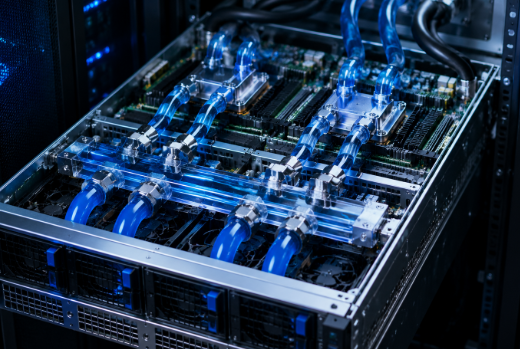
Охлаждение «прямо на чип» крепит металлические холодные пластины к вашим CPU и GPU. Водно-гликолевая смесь циркулирует по микроканалам, поглощает тепло и переносит его к распределительному блоку хладагента, который сбрасывает его в ваш контур воды объекта. Всё остальное в вашем сервере остаётся с воздушным охлаждением. Охлаждение «прямо на чип» достигает теплового сопротивления от 0,02 до 0,10 градусов Цельсия на ватт — в 10–20 раз лучше, чем воздух, по данным эталонных тестов ToneCooling.
Однофазное погружение полностью помещает серверы в диэлектрическую жидкость. Двухфазное погружение использует жидкость, которая закипает при температуре 50–60 градусов Цельсия. Погружение позволяет достичь PUE всего 1,02, но требует специальных резервуаров, специализированных корпусов, протоколов обращения с жидкостью и перепланировки объекта. Для большинства операторов, оценивающих жидкостное охлаждение серверов, погружение слишком разрушительно для модернизации.
Охлаждение «прямо на чип» против погружения: что подходит вам
Охлаждение «прямо на чип» поддерживает 60–120 кВт на стойку при PUE от 1,05 до 1,15. Погружение справляется со 100–250 кВт при PUE от 1,01 до 1,08. На бумаге погружение выигрывает по эффективности. В реальном мире охлаждение «прямо на чип» добавляет холодные пластины, шланги и CDU к вашим существующим стойкам — изменения, которые ваша команда освоит за несколько недель. Погружение же требует опустошить помещение, заполнить резервуары диэлектрической жидкостью по $35–80 за литр и переобучить персонал по технике химической безопасности.
В отчёте The Cooling Report за февраль 2026 года отмечается, что на охлаждение «прямо на чип» приходится 47% рынка жидкостного охлаждения, тогда как погружение остаётся нишевым, с CAGR 25%. Dell, HPE, Lenovo и Supermicro предлагают серверы с заводской интеграцией охлаждения «прямо на чип» в стандартных 19-дюймовых стойках. Погружные серверы по большей части изготавливаются на заказ.
Конкретно для модернизации исследование 451 Research показало, что модернизация с жидкостным охлаждением даёт 70% производительности нового строительства при 20% затрат. Исследование Introl от декабря 2025 года задокументировало, как фармацевтическая компания модернизировала объект 2008 года под 800 GPU NVIDIA H100 за $4,2 млн — против $35 млн за новое строительство. Четыре месяца вместо восемнадцати. Именно поэтому охлаждение «прямо на чип» для серверов доминирует в обсуждениях модернизации.
Готов ли ваш объект к жидкостному охлаждению
Прежде чем заказывать холодные пластины, оцените три фактора: электрическую инфраструктуру, пропускную способность водяного контура и нагрузку на пол. Добавление жидкостного охлаждения серверов обычно добавляет 15–25 кг на стойку. Большинство фальшполов, рассчитанных на 800–1200 кг на стойку, справляются с этим без усиления — но обязательно проконсультируйтесь со своим инженером-конструктором.
Ваш водяной контур — более крупная переменная. CDU сбрасывает тепло в систему конденсаторной воды. Если температура вашего подаваемого теплоносителя составляет 10–15 градусов Цельсия, вы готовы. Если она выше — что типично для более старых зданий — вам может понадобиться дополнительный чиллер или CDU с воздушным отводом тепла от жидкости. TrendForce подтверждает, что системы с отводом тепла от жидкости в воздух являются доминирующей переходной архитектурой именно потому, что они работают с существующей инфраструктурой.
Электропитание — третья проверка. Кластеры GPU, потребляющие 40–60 кВт на стойку, требуют соответствующим образом рассчитанного электрического распределения. Многие объекты до 2015 года строились из расчёта 5–10 кВт на стойку. Планируйте модернизацию электропитания вместе с модернизацией жидкостного охлаждения серверов. Делать одно без другого означает создать новое узкое место.
Ваша дорожная карта модернизации
Этап первый: пилотный проект. Выберите две-четыре стойки, установите холодные пластины на ваши самые горячие GPU-серверы, подключите к CDU и запустите на 30 дней. Отслеживайте температуры теплоносителя на входе и выходе, перепад давления и тепловые режимы компонентов. Вам нужна стабильная производительность и ноль утечек до масштабирования.
Если в ходе пилотного проекта вы столкнётесь с нестабильным расходом, инструмент мониторинга фиксирует тепловые данные в реальном времени по всему контуру, помогая вам точно определить, где возникают перепады давления или накопление тепла.
Этап второй: расширение до полноценного модуля. Установите распределительные коллекторы уровня стойки с быстросъёмными соединениями. CPC, Parker Hannifin, Danfoss и Staubli являются сертифицированными поставщиками NVIDIA GB200, по данным TrendForce. Быстросъёмные соединения, рассчитанные на 10 000 циклов соединения и разъединения, не подлежат обсуждению — они позволяют менять серверы без слива контура.
Этап третий: полное развёртывание. К этому моменту ваша команда должна уверенно владеть доливкой хладагента, заменой фильтров CDU и обнаружением утечек. Решения с холодными пластинами обеспечивают более 80% выручки рынка жидкостного охлаждения, согласно отчёту China Liquid Cooling Server Market Report, потому что они интегрируются в существующие операции без необходимости в новых навыках.
Сколько стоит жидкостное охлаждение серверов
Капитальные затраты на модернизацию с охлаждением «прямо на чип» составляют $5 000–15 000 на стойку, по данным эталонных показателей вендоров. Развёртывание на 100 стоек обойдётся в $500 000–1,5 млн за охлаждающее оборудование. Погружение обходится в $20 000–50 000 на стойку только за резервуары и жидкость.
Операционная экономия переворачивает расчёты. Переход с воздуха при PUE 1,5 на жидкостное охлаждение серверов при PUE 1,2 сокращает затраты энергии на охлаждение на 30–40%. Китайское отраслевое руководство по модернизации от мая 2026 года подсчитало, что центр обработки данных на 10 МВт, переведённый с воздуха на холоднопластинчатое жидкостное охлаждение серверов, экономит около 24 млн юаней в год на электроэнергии. Ваша окупаемость укладывается значительно меньше чем в 24 месяца даже при верхней границе капитальных затрат.
Второе преимущество: более низкие температуры переходов продлевают срок службы CPU и GPU в два-три раза, согласно исследованиям тепловой надёжности. Если ваши кластеры GPU стоят миллионы, этот выигрыш в надёжности имеет существенное значение для вашего бизнес-обоснования жидкостного охлаждения серверов.
Ошибки, которые высасывают ваш бюджет
Пропуск оценки водяного контура — самая дорогостоящая ошибка. Если контур вашего здания не может поглотить тепловую нагрузку CDU, вам придётся впоследствии устанавливать сухой охладитель — это задержит ваши сроки и добавит 30–50% к бюджету. Смоделируйте пропускную способность контура вместе с инженером-механиком до покупки оборудования.
Относиться к модернизации как к чисто ИТ-задаче — ещё одна ловушка. Жидкостное охлаждение серверов затрагивает инженерные системы, электрику, сантехнику и эксплуатацию. Если ваша ИТ-команда будет заниматься этим в одиночку, вы обнаружите на этапе пусконаладки, что ваша вода на 5 градусов слишком тёплая или что дренажные трапы на полу расположены неправильно. Привлекайте инженерные службы и эксплуатацию с первого дня.
Игнорирование качества хладагента замыкает тройку главных ошибок. Гликоле-водные смеси со временем деградируют, превращаясь в коррозионно-активные кислоты, которые разъедают микроканалы холодных пластин. Вам нужен график фильтрации и ежеквартальный химический анализ хладагента. Замена корродированной холодной пластины обходится намного дороже, чем установка системы фильтрации.
Жидкостное охлаждение серверов: ваша новая норма
Как только модернизация с жидкостным охлаждением серверов завершена, вентиляторы серверов замедляются или останавливаются полностью. Шум в машинном зале снижается на 20–30 дБ. Температуры компонентов стабилизируются в диапазоне 2–3 градусов независимо от нагрузки. Ваш PUE падает ниже 1,2, а ежемесячный счёт за электроэнергию сокращается на треть.
Вы получаете запас по плотности: стойка, ограниченная 15 кВт при воздушном охлаждении, теперь справляется с 50–80 кВт. Вы консолидируете нагрузки, освобождаете площадь и откладываете новое строительство. TrendForce прогнозирует, что проникновение жидкостного охлаждения серверов в ИИ-центрах обработки данных вырастет с 14% в 2024 году до 33% в 2025-м и продолжит расти. Модернизация сейчас ставит вас впереди, вместо того чтобы лихорадочно догонять, когда конкуренты уже перешли на новую технологию.
Окно открыто, но закрывается. Дорожные карты NVIDIA указывают на стойки по 600 кВт к 2026 году. Центры обработки данных, которые переживут следующие пять лет, — это те, что внедрили жидкостное охлаждение серверов в 2025 или 2026 году. Ваш должен быть одним из них.