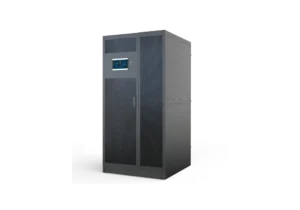


Server rooms are the backbone of every enterprise—powering everything from customer databases to real-time transaction systems. A single hour of downtime can cost businesses upwards of $100,000, according to Gartner, and one of the most common culprits behind such outages is inadequate environmental control. This is where precision AC for server room emerges as a non-negotiable asset: it doesn’t just cool equipment, but evolves into a “resilience shield” that safeguards server rooms against temperature fluctuations, humidity spikes, and unexpected system failures.
Unlike standard office AC units, which prioritize human comfort over equipment stability, precision AC for server room is engineered to maintain pinpoint environmental conditions—often within ±1°C for temperature and ±5% for humidity—ensuring servers operate at peak efficiency even during high-load periods or external disruptions.
In this post, we’ll explore how this specialized cooling solution transforms from a basic utility into a cornerstone of server room resilience, with real-world examples and actionable insights for businesses looking to fortify their digital infrastructure.
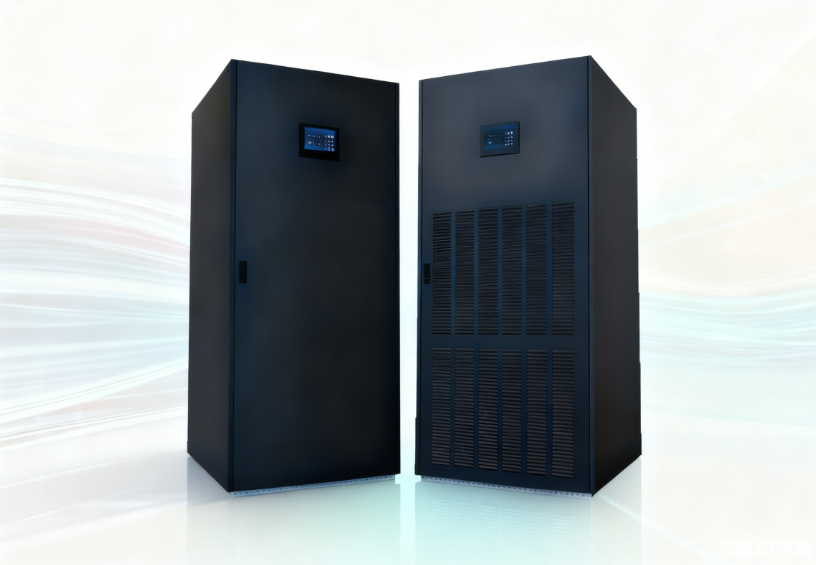
Understanding the Crucial Role of Precision AC for Server Room
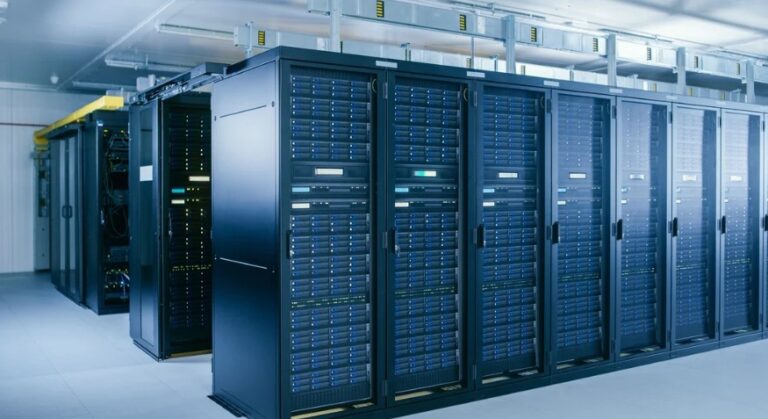
Server rooms are high-stakes environments: each rack of equipment generates continuous heat (a single server can produce 300–800 watts of thermal energy), and even minor deviations from optimal conditions can trigger cascading issues. Overheating, for instance, can cause servers to throttle performance, corrupt data, or suffer permanent hardware failure. Humidity, too, is a silent threat—too much moisture leads to corrosion of circuit boards, while too little increases static electricity, which can short-circuit sensitive components.
Precision AC for server room addresses these risks by prioritizing equipment health over generic cooling. It achieves this through two core capabilities: 1) Dynamic load adaptation, which adjusts cooling output in real time as server usage spikes (e.g., during a Black Friday sale for e-commerce platforms) or drops (e.g., overnight maintenance windows); 2) Multi-parameter monitoring, which tracks not just temperature, but also humidity, air flow, and even particle levels to prevent dust buildup (another leading cause of server malfunctions). Without this level of control, server rooms remain vulnerable to “hidden” disruptions—like a sudden humidity surge that goes undetected by standard AC units, only to cause a critical failure days later.
The Basics of Precision AC for Server Room
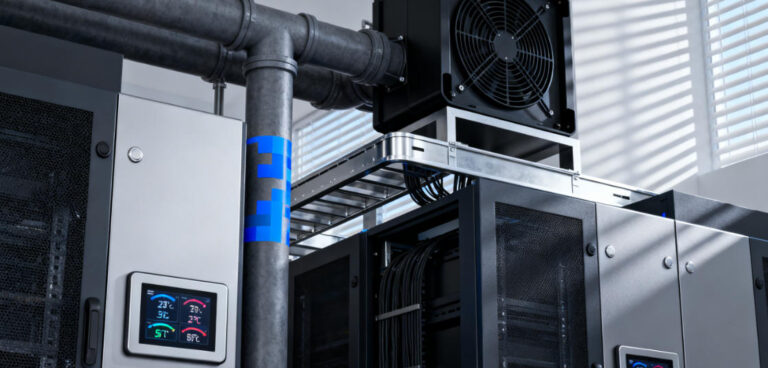
At its core, precision AC for server room is a specialized cooling system designed to maintain stable, consistent environmental conditions in spaces housing IT equipment. Unlike residential or commercial AC, which cycles on and off to reach a set temperature, precision AC operates continuously—using variable-speed compressors, fans, and humidity regulators to avoid sudden temperature swings. It also features closed-loop air circulation: instead of drawing in warm outside air (which introduces contaminants and humidity), it recirculates and filters the air within the server room, ensuring a clean, controlled environment.
Key functions of precision AC for server room include:
- Temperature control: Maintaining a target range (typically 18–24°C, per ASHRAE guidelines) with minimal variance.
- Humidity regulation: Keeping relative humidity between 40–60% to prevent corrosion and static.
- Heat removal: Directing hot air away from server racks (often via underfloor or overhead ducting) to avoid “hot spots.”
- Air filtration: Trapping dust, pollen, and other particles that can clog server vents and reduce airflow.
How It Differs from Regular Air Conditioning
The gap between precision AC for server room and regular air conditioning is vast—and ignoring this difference can lead to costly downtime. Regular AC units, for example, are designed to cool large spaces quickly but lack the precision to maintain consistent temperatures in server rooms. A standard office AC might cycle off once the room hits 24°C, but by then, server racks (which trap heat) could already be at 28°C—well above the safe threshold.
Other critical differences include:
- Cooling capacity: Precision AC is rated for “sensible heat load” (heat that raises temperature without adding moisture), which is the primary type of heat generated by servers. Regular AC focuses on “latent heat load” (heat that changes humidity), making it inefficient for server rooms.
- Reliability: Precision AC often includes redundant components (e.g., backup compressors, dual fans) to avoid single points of failure. Regular AC rarely has this redundancy, meaning a fan breakdown could shut down cooling entirely.
- Monitoring: Precision AC integrates with building management systems (BMS) or IoT platforms to send real-time alerts about temperature spikes or system errors. Regular AC offers minimal to no monitoring capabilities.
What Resilience Means for Server Rooms
In the context of server rooms, “resilience” refers to the ability to withstand and recover from disruptions—whether they’re caused by extreme weather (e.g., a heatwave that strains the power grid), equipment failures (e.g., a faulty server rack), or human error (e.g., accidental thermostat adjustments). A resilient server room doesn’t just avoid downtime; it maintains performance and data integrity even when under stress.
For example, during a regional power outage, a resilient server room might switch to backup generators, while its cooling system continues to operate to prevent overheating. Or, during a sudden surge in traffic (e.g., a viral social media campaign driving traffic to a website), a resilient system would adjust cooling to accommodate the extra heat from servers working overtime—without sacrificing performance.
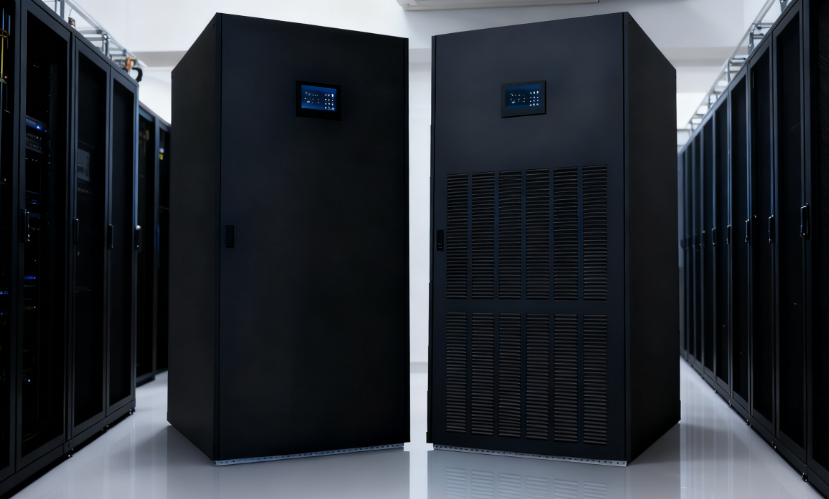
How Precision AC for Server Room Contributes to Resilience
Temperature Management: A Pillar of Resilience
Temperature stability is the foundation of server room resilience—and precision AC for server room is engineered to deliver this, even in high-stress scenarios. Take the case of a large e-commerce company during Black Friday: as traffic surged 500% above normal levels, its server racks generated 3x more heat than usual. Without precision AC for server room, the room temperature would have spiked to 30°C within 15 minutes, triggering server throttling and slowdowns. Instead, the company’s precision AC system adjusted its cooling output in real time, using variable-speed compressors to match the increased heat load. The result? Zero downtime, and a 99.99% transaction success rate—compared to the industry average of 99.9% (which translates to 8.76 hours of downtime annually).
Another example: a data center in Texas during the 2021 winter storm, which caused widespread power outages. While many facilities lost cooling, a center equipped with precision AC featuring battery backup was able to maintain temperatures at 22°C for 4 hours until generators kicked in. This prevented the loss of critical data for clients in healthcare and finance—demonstrating how precision AC turns temperature management into a resilience tool.
Humidity Control: Preventing the Invisible Threat
Humidity is often overlooked, but it’s just as critical to server resilience as temperature. In 2022, a mid-sized software firm in Florida experienced a major outage after a tropical storm caused a sudden humidity spike in its server room. The company was using regular AC, which couldn’t adjust to the increased moisture—leading to corrosion on server motherboards and a 6-hour downtime. After upgrading to precision AC for server room, which includes dual-stage dehumidifiers and humidity sensors, the firm avoided a similar issue during Hurricane Ian in 2023. The precision AC for server room maintained humidity at 50% even as external humidity hit 90%, keeping servers operational throughout the storm.
Precision AC also protects against low humidity: a tech startup in Arizona once suffered static-related failures when its server room humidity dropped to 20% during a heatwave. Regular AC couldn’t add moisture, but precision AC’s humidification feature restored humidity to 45% within 10 minutes, preventing further damage. These examples show how humidity control—enabled by precision AC—turns an “invisible” risk into a manageable one.
Reliability and Redundancy Features
Resilience relies on eliminating single points of failure—and precision AC for server room is built with this in mind. Most models include redundant components: backup compressors, dual fans, and even redundant power supplies. For example, a bank’s server room in Chicago uses precision AC with two compressors: if one fails, the other automatically takes over, ensuring cooling never stops. This redundancy proved critical in 2023, when a compressor malfunction occurred during a peak banking hour (9 AM–10 AM). The backup compressor activated within 2 seconds, and the room temperature never deviated more than 0.5°C—avoiding a potential outage that could have disrupted thousands of transactions.
Precision AC for server room also offers remote monitoring and alerting, which enhances resilience by enabling proactive maintenance. A cloud services provider in Seattle uses an IoT-connected precision AC system that sends real-time data to its facilities team. In 2024, the system detected a slight drop in cooling efficiency (caused by a clogged air filter) and alerted the team before it affected server performance. The filter was replaced during a scheduled maintenance window, preventing any downtime. This proactive approach is far more resilient than the reactive model of regular AC, which often fails without warning.