

If you’ve ever struggled with the hassle of setting up traditional IT infrastructure—waiting months for construction, dealing with cramped server rooms, or watching energy bills skyrocket—you’re not alone. For businesses, organizations, and even remote sites, the search for a faster, more efficient alternative has led many to the Micro Modular data center.
But one question always comes up first: how much does it actually cost to build one?
Unlike traditional brick-and-mortar data centers that require extensive on-site work, hidden fees, and long lead times, the Micro Modular data center is designed to simplify both deployment and budgeting. The key is understanding that its cost isn’t a one-size-fits-all number—it depends on your unique needs, but there are predictable factors and verified savings that make it easier to plan.
First: What Even Is a Micro Modular Data Center?
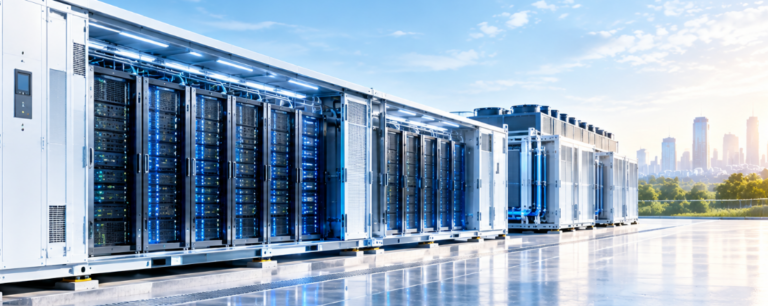
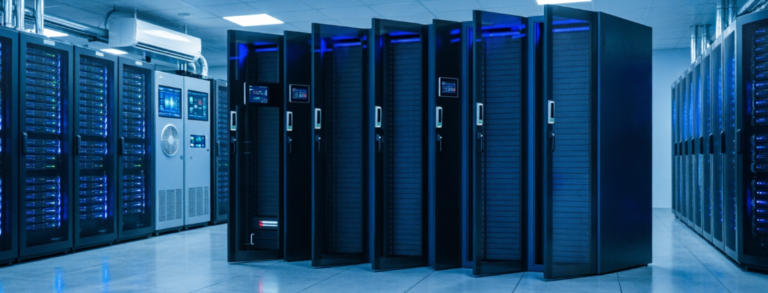
Before we dive into costs, let’s make sure we’re on the same page. A Micro Modular data center is a self-contained, pre-built IT solution that packs everything you need—servers, power backup, cooling, security, and monitoring—into a compact, plug-and-play unit. Think of it as a “data center in a box”: it’s factory-assembled, tested, and ready to deploy in hours once it arrives at your site.
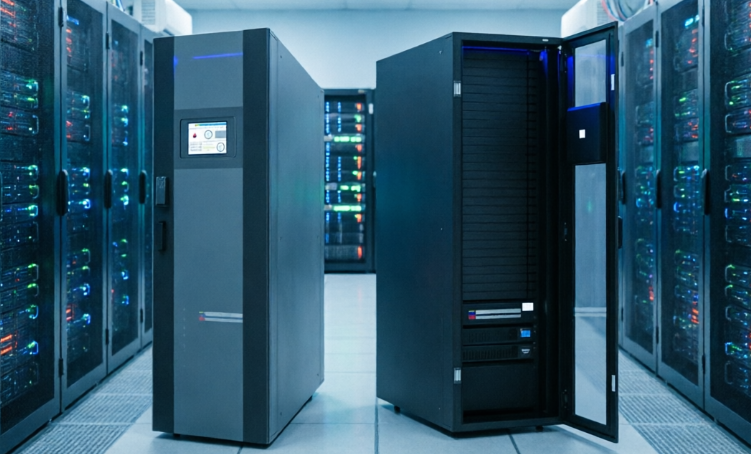
These units are perfect for small businesses, bank branches, healthcare clinics, telecom base stations, or any location where space is limited, speed is critical, or you don’t have a dedicated IT team. Leading solutions like SOETECK’s Micro Modular Data Center are designed to be flexible, quiet, and efficient—no more juggling separate components or dealing with messy on-site installation.
What Drives the Cost of a Micro Modular Data Center?
The cost of your Micro Modular data center boils down to what you need it to do. It’s not about “more expensive = better”—it’s about matching the unit to your use case. Here are the key factors that influence price:
1. How Much Space and Power Do You Need?
Most Micro Modular data center units range from 1 to 10 cabinets, with power capacities between 3 kVA and 20 kVA. For example, a small retail branch or home office might only need a single cabinet with 3 kVA of power—this will be more affordable than a unit for a healthcare clinic that needs 10 kVA to support critical patient record systems.
The number of “U” (unit) spaces also matters—more U-space means you can fit more servers, which might increase the cost slightly. But here’s the upside: even a larger Micro Modular data center is still cheaper than a traditional setup because it’s pre-built and requires no custom construction.
2. Cooling: Keeping Things Running Smoothly
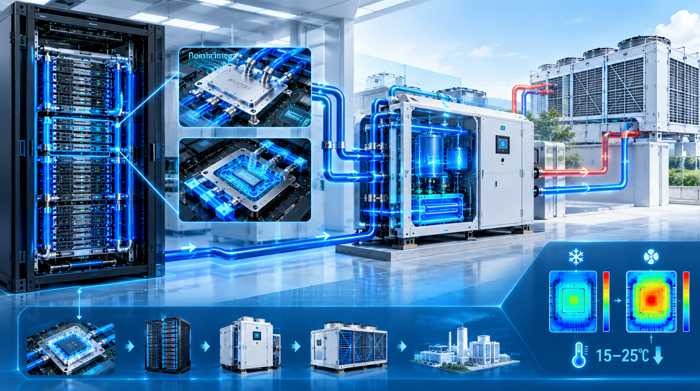
Cooling is a big part of any data center’s cost, but Micro Modular data centers are designed to be far more efficient than traditional options. The type of cooling you choose will affect the price, but it also impacts your long-term energy bills—so it’s a trade-off worth considering.
Common cooling options include top-mounted integrated AC (great for small spaces), rack-mounted split AC (quieter, ideal for offices), and in-row cooling (for high-density setups like edge computing sites). Each has its own price point, but all are designed to keep the PUE (Power Usage Effectiveness) low—some as low as 1.4. That might sound like a technical term, but it simply means you’re using less energy to cool your equipment, which saves you money month after month.
3. Reliability and Redundancy: How Critical Is Your IT?
If your business can’t afford downtime—like a bank branch or hospital—you’ll want redundancy in your power and cooling systems. This means having backup UPS (uninterruptible power supply) units or extra cooling capacity to keep things running if one component fails.
Options like N+1 or 2N redundancy will add to the upfront cost, but they’re worth it for mission-critical operations. For example, a healthcare facility might opt for N+1 redundancy to ensure patient record systems never go down, while a small office might be fine with a basic N redundancy setup. You can also choose between lithium-ion or lead-acid batteries for your UPS—lithium-ion is more expensive upfront but lasts longer and requires less maintenance.
4. Customization: Tailoring to Your Unique Needs
One of the best things about Micro Modular data centers is their flexibility. If you have specific needs—like a dustproof design for an industrial site, remote monitoring for an unattended location, or a compact size for a cramped server room—you can customize your unit.
Customizations like IP5X dustproof enclosures, remote management platforms, or tailored cooling capacity will affect the price, but they ensure your Micro Modular data center fits your space and workflow perfectly. For example, a telecom base station in a harsh outdoor environment might need a weatherproof design, while a small office might prioritize quiet operation (below 49 decibels) to avoid disrupting employees.
The Big Cost Advantage: Micro Modular vs. Traditional Data Centers
The most compelling reason to choose a Micro Modular data center isn’t just the upfront cost—it’s the total cost of ownership over time. Let’s be clear: traditional data centers are expensive, and not just because of construction. They require months of on-site work, high labor costs, and constant maintenance—all of which add up.
Here’s where the Micro Modular data center shines, with verified industry data to back it up:
- Construction costs are 30% lower than traditional setups, thanks to prefabrication and minimal on-site work.
- Deployment time is cut by 90%—you can go live in hours instead of months, which means you’re up and running faster and losing less revenue from downtime.
- Space savings of up to 80%—perfect for locations where floor space is at a premium, like bank branches or small offices.
- Long-term energy savings from a low PUE (as low as 1.4) and efficient cooling systems, which reduce your monthly utility bills.
For small businesses or organizations with tight budgets, these savings are game-changing. A Micro Modular data center doesn’t just cost less upfront—it saves you money year after year.
Typical Cost Ranges
While exact pricing varies by vendor and customization, here’s a realistic breakdown of what you can expect, based on real-world models (like those from SOETECK) that are widely used in commercial deployments:
For Small Spaces and Basic Needs
Ideal for small offices, retail branches, or single-point edge sites. Think 3 kVA of power, 18U of space, and a top-mounted AC system (like the SY-MDC-03N model). This is the most affordable option, perfect if you just need basic server support without the frills.
For Growing Businesses and Critical Needs
Great for healthcare clinics, school labs, or small enterprise IT rooms. This setup (like the SY-MDC-06T model) offers 6 kVA of power, 31U of space, and a quieter rack-mounted split AC. It’s a step up in reliability and space, without a huge jump in cost.
For Edge Computing and Mission-Critical Sites
Designed for data center edges, industrial IoT, or emergency command centers. This unit (like the SY-MDC-10R model) has 10 kVA of power, 27U of space, and in-row cooling for superior performance. It’s more expensive upfront but built for high-demand environments where downtime isn’t an option.
Custom Configurations
If you have unique needs—like 20 kVA of power, N+1 redundancy, or a weatherproof design—custom setups are available. These will cost more, but they’re tailored to your exact requirements, so you’re not paying for features you don’t need.
Is a Micro Modular Data Center Worth the Investment?
For most businesses and organizations, the answer is a resounding yes. Here’s why:
It’s fast: Deploy in hours, not months, so you can get your IT infrastructure up and running without delay.
It’s scalable: Add more cabinets as your business grows, so you don’t have to overinvest upfront.
It’s cost-effective: Lower construction costs, energy savings, and minimal maintenance mean a lower TCO over 3–5 years—often 40% lower than traditional data centers.
It’s reliable: Pre-tested components, redundant options, and intelligent monitoring mean fewer breakdowns and less downtime.
Micro Modular vs. Traditional Data Center: A Quick Comparison
| Factor | Traditional | Micro Modular |
|---|---|---|
| Initial capital (per MW) | $10–12 million | $50k–$500k per module |
| Setup time | 18–36 months | Hours to weeks |
| Construction cost reduction | Baseline | ~30% less |
| Space savings | Baseline | Up to 80% less |